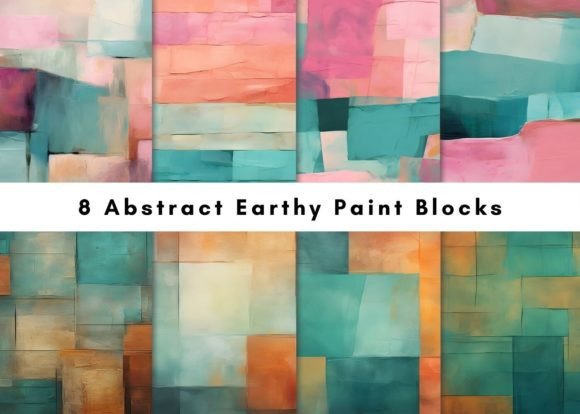
Earthy Paint Blocks: Textures for Authentic Design
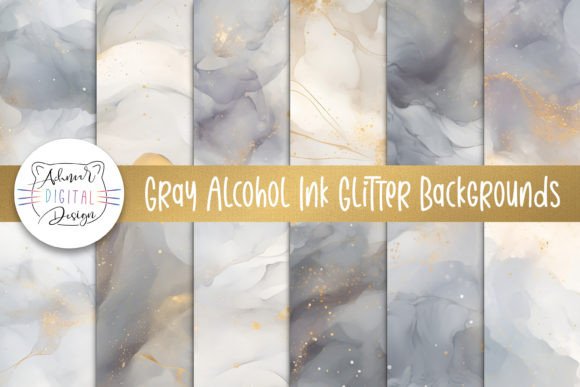
There’s a certain honesty in textures that don’t try to hide their origins. A brushstroke that shows the bristle marks, a paint swatch that’s slightly uneven at the edges, a color that looks like it was mixed by hand on a wooden palette. This is the character you’ll find in Abstract Earthy Paint Blocks Backgrounds. They aren’t sterile digital gradients or perfect geometric patterns. Instead, they offer a collection of eight distinct, painterly textures that feel organic, warm, and intentionally imperfect. The visual personality is one of grounded creativity—think terracotta, ochre, sage, and charcoal tones applied in broad, confident blocks with a distressed, tactile finish. It’s a style that communicates authenticity, craftsmanship, and a connection to natural materials, making it a powerful asset for anyone building a visual narrative.
Where These Textures Truly Shine
The appeal of a resource like this lies in its versatility across mediums. For web design, these backgrounds can transform a sterile landing page into an engaging experience. Imagine using a muted, earthy paint block as the hero section background for a boutique pottery studio, an organic skincare brand, or a sustainable fashion label. It immediately sets a tone that’s far more evocative than a plain color or a stock photo. In editorial design, these textures work beautifully for magazine layouts, lookbooks, or cookbook interiors. A block of distressed ochre can serve as a subtle backdrop for a pull quote or a chapter opener, adding depth and visual interest without overwhelming the typography.
Beyond digital, their application in packaging design is compelling. A product label for artisanal coffee, handmade soap, or small-batch preserves gains instant character when framed by an earthy paint texture. It suggests the product inside is crafted with care. For social media graphics and digital marketing, these backgrounds are a secret weapon. They provide a consistent, on-brand canvas for Instagram posts, Facebook ads, or Pinterest pins, helping content stand out in a crowded feed. The textured surface can make text overlays more readable and visually integrated than placing them on a flat color. Entrepreneurs and small business owners can use them to create cohesive brand assets—like business cards, thank you notes, or promotional flyers—that feel premium and thoughtfully designed without requiring a custom illustration.
Making a Strategic Choice for Your Project
Choosing a background texture is a design decision that impacts hierarchy, readability, and overall mood. When evaluating Abstract Earthy Paint Blocks Backgrounds, start by considering your project's core message. Is it warmth, sustainability, creativity, or tradition? These textures excel in conveying those ideas. Next, assess the color palette within the collection. Do the available earth tones complement your existing brand identity or the project's color scheme? It’s often helpful to test a few options side-by-side with your logo, typography, and imagery to see which creates the most harmonious composition.
A critical step is testing font pairing and readability. Because these backgrounds have inherent texture and visual noise, your typography needs to be clear and legible. A clean sans serif font often works exceptionally well, providing a modern counterpoint to the organic texture. A sturdy serif font can also pair nicely, especially for projects aiming for a classic, editorial feel. Avoid overly delicate script fonts or highly detailed handwritten fonts for body text, as they may become difficult to read against the varied surface. Always test your chosen typeface at the actual size it will be used, checking for contrast and clarity. The goal is to create a visual hierarchy where the textured background supports the content, rather than competing with it.
Finally, understand the practicalities. This is a digital product delivered as high-resolution JPG files (4000x2284px), offering ample size for both web and print applications. The commercial licensing typically allows for use in end products for sale, like merchandise or client work, but it’s always prudent to review the specific terms to ensure they align with your intended use, especially for large-scale commercial projects. Think of these textures as part of your broader toolkit of design assets. They are not a replacement for a strong typographic foundation or a clear design concept, but rather a layer that can enhance and unify a project's aesthetic. By using them thoughtfully, you can add a layer of tactile authenticity that resonates with audiences seeking genuine, human-centered design.