Green and Gold Watercolor Backgrounds: A Designer's Guide
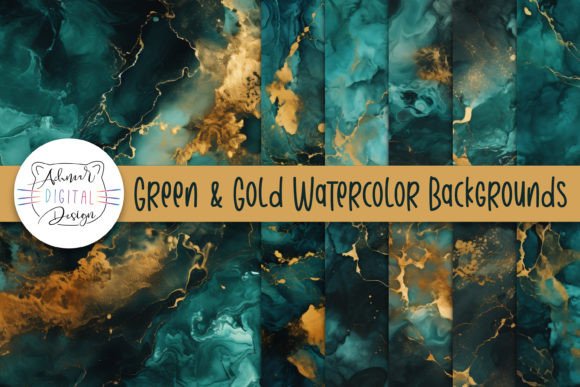
There's a specific feeling that green and gold evoke together. It’s a combination of natural growth and quiet luxury, of organic texture meeting refined elegance. As a designer, I’m always searching for assets that capture this feeling without looking cheap or overdone. That’s why a collection of Green and Gold Watercolor Backgrounds is more than just a set of images; it's a versatile toolkit for injecting warmth, sophistication, and a human touch into digital and print projects. These aren't your typical, overly saturated stock images. They are crafted textures that tell a story of quality and intention.
The Visual Personality of This Palette
What makes these backgrounds so compelling is their inherent duality. The green element can range from deep, forest-like tones that feel grounding and stable, to bright, sage hues that communicate freshness and vitality. Paired with gold, which often manifests as a soft, metallic wash or delicate flecks, the result is a dynamic interplay. The watercolor medium itself is key—it introduces organic imperfections, subtle bleeds, and a hand-painted quality that digital gradients simply cannot replicate. This texture adds depth and a sense of authenticity, making any design layered over it feel more bespoke and considered. The overall style is clean yet characterful, providing a backdrop that enhances rather than overwhelms.
Where These Backgrounds Truly Shine
The real value of a good design asset lies in its application. For entrepreneurs and small business owners, these Green and Gold Watercolor Backgrounds are perfect for establishing a brand identity that feels both professional and approachable. Use them as the foundational texture for your logo design mockups, or as the hero image on your website's homepage to set an immediate tone of elegance. In packaging design, they can transform a simple label into something that feels artisanal and premium on the shelf.
For content creators, marketers, and bloggers, the applications are endless. They make stunning, scroll-stopping backgrounds for social media graphics, particularly for quotes, announcements, or promotional posts that need to stand out in a busy feed. In editorial design, such as for a digital magazine or a PDF guide, they can serve as chapter dividers or full-page spreads that break up text and engage the reader visually. The 300 DPI resolution is a critical feature here, ensuring that whether you're designing for a high-resolution screen or preparing a file for professional printing, the integrity of the texture remains crisp and clear.
Making Smart Design Choices with Texture
Simply having a beautiful background isn't enough; knowing how to use it effectively is what separates good design from great design. The first consideration is readability. A watercolor texture, by its nature, has variations in tone and value. When placing text over it, you need to ensure sufficient contrast. This might mean using a bold, modern typography choice—a strong sans serif font or a heavy serif font—to ensure your message isn't lost. Avoid thin, delicate typefaces unless you place them on a solid, contrasting shape or overlay.
This brings us to font pairing. The organic, fluid nature of watercolor pairs beautifully with structured typefaces. Try a clean, geometric sans serif font for headlines to create a pleasing contrast with the soft texture. For a more luxurious feel, a refined serif font can complement the gold accents. A script font or handwritten font can also work for accents or short phrases, but use it sparingly to maintain legibility and avoid a cluttered look. The goal is to let the background support your message, not compete with it.
When you download this collection, you receive a zipped file containing six distinct JPEG files. This variety is crucial. Not every project will call for the same intensity or color balance. Having multiple options allows you to choose the perfect background that matches the specific mood of your project, whether it's for a calming wellness brand or a celebratory event invitation. It's about having the right tool for the job.
Integrating Assets into Your Creative Workflow
For any creative professional, building a library of reliable design assets is a time-saving investment. Think of these backgrounds not as a one-time use item, but as a foundational element in your toolkit. Before starting a project, take a moment to evaluate if its aesthetic aligns with your goals. Does the color story of green and gold support the brand's message? For a financial advisor, it could signify growth and prosperity. For an eco-friendly product, it reinforces natural values. For a wedding stationery suite, it adds timeless romance.
Always test your designs in context. Place your final layout on a mockup to see how it looks on a business card, a website hero section, or a social media post. This practical review will quickly highlight any issues with text placement or color harmony. Remember, while these are premium-quality graphic elements, they are also commercial font assets, meaning you can confidently use them in client work and products for sale. The license provides that freedom, which is essential for professionals.
In a world saturated with flat, sterile digital design, incorporating textured, human-made elements like these watercolor backgrounds is a powerful way to create connection. They offer a bridge between the digital and the tangible, making your work feel more real, more thoughtful, and ultimately more engaging for your audience. They are a simple yet profound way to elevate your creative projects from ordinary to memorable.