Watercolor Flower Vase Backgrounds for Designers
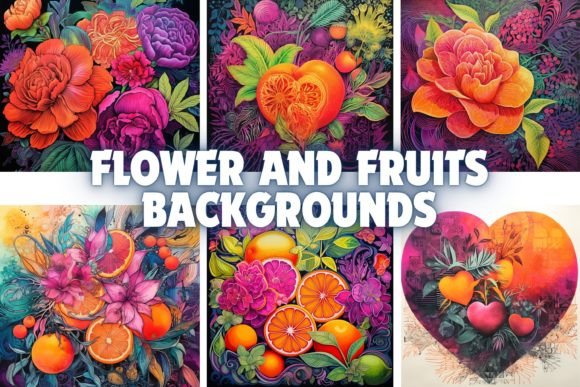
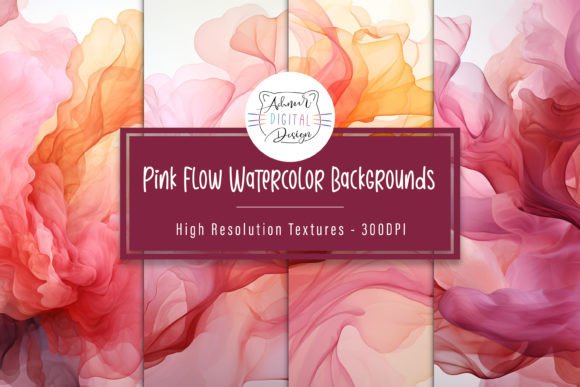
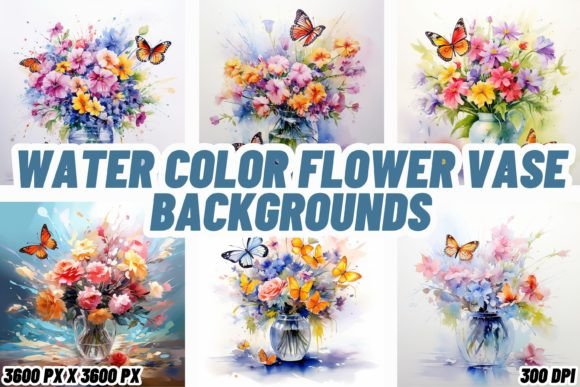
There is a specific kind of visual warmth that only watercolor can provide. It’s the soft bleed of pigment into wet paper, the unpredictable texture, and the gentle imperfection that makes a design feel human. The Watercolor Flower Vase Backgrounds collection captures this organic beauty, offering twelve distinct designs that pair the delicate charm of blooming florals with the classic structure of a vase. For designers, marketers, and content creators, these aren't just pretty pictures; they are versatile design assets that can set a sophisticated and artistic tone for a wide range of projects.
Understanding the Visual Style and Appeal
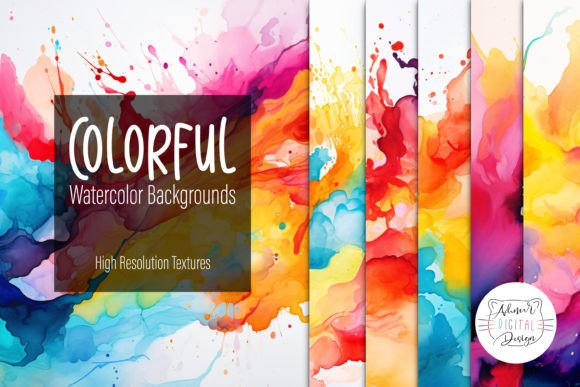
At its core, this collection is a study in softness and structure. The watercolor technique gives each background a dreamy, almost ethereal quality. Colors aren't flat or harsh; they blend and layer, creating depth and movement that feels both artistic and authentic. The floral elements—from delicate petals to lush leaves—are rendered with a lightness that avoids looking overly digital or sterile. The vase, whether rendered in crisp line work or soft washes, provides a grounding focal point, a recognizable silhouette that anchors the organic chaos of the flowers.
This style speaks to a modern audience that values authenticity and craftsmanship. It’s a departure from the overly polished, perfect graphics that once dominated digital design. The appeal lies in its versatility. It can feel rustic and charming for a farm-to-table brand, or elegant and refined for a luxury wedding invitation. The color palette is typically soft and harmonious—think blush pinks, sage greens, and muted blues—making it easy to integrate into existing brand color schemes without clashing. This isn't a loud, attention-demanding display font or graphic; it's a nuanced backdrop that supports a message rather than shouting over it.
Practical Applications Across Creative Fields
The true value of a resource like the Watercolor Flower Vase Backgrounds is measured by how many projects it can elevate. Here’s where it truly shines:
- Brand Identity and Packaging Design: For businesses in the wellness, beauty, artisanal food, or floral industries, these backgrounds can become a cornerstone of their visual identity. Imagine the background on a website's "About Us" page, a product label for handmade soap, or the outer sleeve of a gourmet tea box. It instantly communicates care, quality, and a connection to natural beauty, strengthening brand perception.
- Editorial and Publishing Design: Bloggers and magazine editors can use these as hero images for articles on topics like gardening, home decor, mindfulness, or recipe features. They work beautifully as full-page backgrounds for chapter openers in e-books or as subtle textural elements in print layouts, adding a layer of visual interest that engages readers.
- Digital and Social Media Marketing: In the fast-paced scroll of social media, a soft, artistic background can be a scroll-stopper. Use them for Instagram post templates, Facebook event covers, or Pinterest pins. They provide a consistent, branded look for quotes, announcements, or promotional content. For email marketing, a background like this can frame a special offer or newsletter, making it feel more personal and less transactional.
- Presentations and Corporate Communications: Even in a professional setting, a touch of artistry can enhance engagement. A watercolor flower vase background on a title slide or section divider can soften a corporate presentation, making it more approachable for internal teams or client-facing pitches. It’s a subtle way to show attention to detail and aesthetic sensibility.
From a wedding stationery suite to a yoga studio's class schedule, the applications are limited only by the creator's imagination. The key is that the background supports and enhances the primary content, whether that's a logo, a block of text, or a call-to-action button.
Integrating These Backgrounds Effectively
Having a beautiful asset is one thing; using it well is another. Here’s some practical guidance for incorporating the Watercolor Flower Vase Backgrounds into your work:
- Evaluate for Project Fit: Before you start, consider the mood of your project. Is it celebratory, serene, professional, or whimsical? Match the specific background from the collection to that mood. A vibrant, multi-colored floral vase might suit a festive sale announcement, while a monochromatic, soft pink vase could be perfect for a high-end jewelry brand.
- Master Font Pairing: This is critical. A detailed, textured background demands a clean, highly legible typeface for body text. Pair these backgrounds with a simple sans serif font or a clean serif font to ensure readability. For headlines, you could use a complementary script font or handwritten font, but use it sparingly to avoid visual clutter. Always test your text overlay at various sizes to ensure it stands out clearly against the watercolor wash.
- Leverage the Negative Space: Notice where the background is lightest or most uniform. These areas are prime real estate for placing logos, key headlines, or important information. Don't just center everything; use the natural composition of the vase and flowers to guide the viewer's eye toward your content.
- Consider the Medium: For web design and social media graphics, the high-resolution files are perfect. For print design, always check the final output size and ensure the resolution (DPI) is sufficient for a crisp, non-pixelated result. The beauty of watercolor is in its delicate details, which can be lost in a low-quality print.
Think of these backgrounds as a foundational layer in your design toolkit. They provide the artistic tone, but your typography, layout, and content provide the message. Used thoughtfully, the Watercolor Flower Vase Backgrounds can help you create work that feels both professionally polished and personally crafted, a combination that resonates deeply with modern audiences. They are more than just decoration; they are a bridge to connecting with viewers on an emotional, aesthetic level.