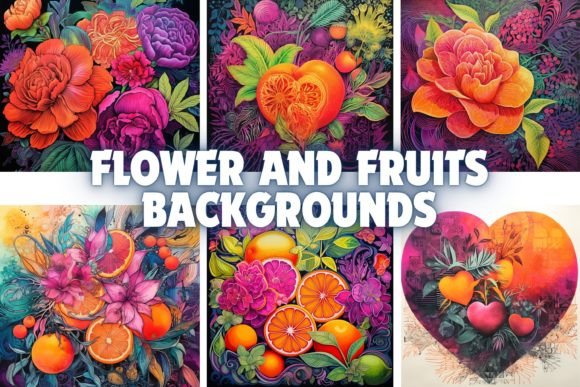
Flower and Fruit Backgrounds: A Visual Guide for Designers
The Core Appeal of Floral and Fruity Visuals
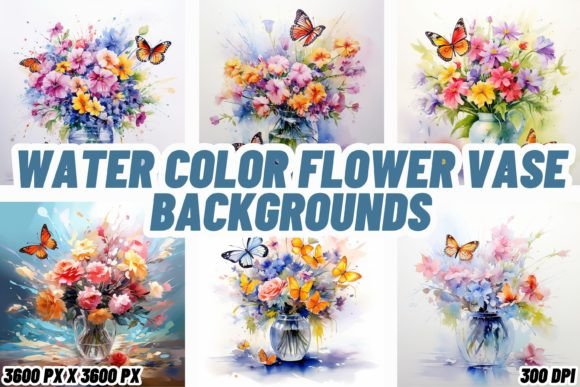
Flower and Fruit Backgrounds represent a specific category of design assets that combine botanical elements with produce imagery to create a sense of organic freshness. Unlike abstract textures or geometric patterns, these backgrounds tell a story of nature and vitality. The visual characteristics often involve overlapping layers of petals, leaves, and sliced fruits, creating a rich depth of field. The personality of these assets is inherently optimistic, fresh, and inviting. They move beyond standard stock photography by offering a curated fusion where the softness of a petal meets the glossy sheen of a berry or citrus slice.
The appeal lies in the contrast of textures. You have the delicate, often matte finish of flora juxtaposed against the wet, translucent look of fruit. This creates a dynamic surface that can anchor a design without overwhelming the foreground content. For a designer, this means you get the complexity of a hand-crafted collage with the clean edges required for digital implementation. It is a versatile aesthetic that can swing from whimsical to luxurious depending on the specific color palette and composition used within the collection.
Strategic Applications for Branding and Marketing
When considering where to deploy Flower and Fruit Backgrounds, the applications are surprisingly diverse. They are not limited to food blogs or wedding invitations, though they excel there. In the realm of brand identity, these backgrounds can signal a commitment to natural ingredients or a lifestyle brand focused on wellness. Imagine a skincare line using a soft focus peony and peach background for their packaging inserts; it immediately communicates gentleness and nourishment without a single word of copy.
For marketing materials, these assets are powerful tools for seasonal campaigns. Spring and summer promotions benefit immensely from the vibrant energy these backgrounds provide. Consider these specific use cases:
- Social Media Graphics: Use a high-resolution berry background behind a bold sans-serif font for an Instagram story announcing a sale. The visual interest stops the scroll.
- Presentation Design: Replace the standard corporate blue slide deck with a subtle, muted floral texture. It softens the professional environment and makes data feel more approachable.
- Editorial Design: Lifestyle magazines can use these as full-bleed images for table-of-contents pages or as sidebars to highlight pull quotes, adding a tactile feel to the digital or print page.
Entrepreneurs and small business owners, particularly in the hospitality or artisan food sectors, can use these backgrounds to create a cohesive look across menus, loyalty cards, and website headers. The consistency of using the same visual language across digital and print builds a recognizable aesthetic that customers learn to associate with quality.
Integrating Assets with Typography and Hierarchy
A background is only as good as the content it supports. The primary challenge with floral and fruit imagery is ensuring readability. Because these backgrounds are visually "busy" by nature, your typography strategy must be robust. This is where the choice of typeface becomes critical. A delicate script font might get lost in the details of a rose petal, whereas a heavy display font or a clean sans serif font will stand out effectively.
When pairing fonts with Flower and Fruit Backgrounds, contrast is your best friend. If the background features warm, saturated fruits, consider using a cool-toned or neutral text color to avoid visual vibration. Legibility can be enhanced by using a semi-transparent overlay—perhaps a white box at 80% opacity—behind your main text block. This technique allows the beauty of the background to remain visible while creating a safe zone for your message.
Furthermore, these backgrounds influence the perceived weight of your design. A dense, dark arrangement of grapes and leaves creates a moody, premium feel suitable for luxury branding. Conversely, a sparse arrangement of wildflowers on a light background creates an airy, minimalist vibe perfect for modern web design. By selecting the right background from the collection, you are effectively setting the emotional tone for the entire piece before the user even reads a word.
Practical Selection and Licensing
Selecting the right asset requires a critical eye. Do not simply choose the prettiest image; choose the one that serves the project's goals. Evaluate the "negative space" within the background. Is there a clear area where a logo or headline can sit without obscuring key elements of the design? Look at the lighting direction. If you are compositing other images onto this background, the lighting must match to maintain realism.
Testing is essential. Before committing to a final layout, try a few font pairings. Place a serif font for headings and a sans-serif for body copy over the image to check for visual fatigue. If the background is too high-contrast, it may tire the reader's eyes during long-form reading, making it better suited for short-form social media graphics rather than editorial design.
Finally, understanding the commercial utility of these files is vital for professionals. High-resolution files allow for cropping without loss of quality, which is essential for print design and large-scale banners. Always verify the usage rights. As design assets, these backgrounds are investments in your project's visual quality. Ensure the license covers your intended use, whether it is for a personal hobby project or a global commercial campaign. By treating these backgrounds as functional tools rather than just decoration, you can elevate the professionalism and visual impact of any creative endeavor.